up strategies to arrive at the potential Biology Diagrams FIG. 1. Mechanisms (curved arrows) modulating top-down and bottom-up forces (straight arrows) in food chains. levels (Oksanen et al. 1981, Mittelbach et al. 1988: 220, Fig. 1). Predators may not regulate their food resources ef-ficiently, however, if they fight with each other, are limited by and compete for resources other than food

The bottom-up control. The bottom-up control is driven by the presence or absence of the producers in the ecosystem. Changes in their population will affect the population of all the species in the food web, and thus, the ecosystem. This approach is also called the resource-controlled (or food-limited) food web of an ecosystem. Again, for

up control in an ecosystem Biology Diagrams
press-perturbed food chain. Section 4: Response of a 3-level food chain to a press perturbation. Section 5: Obtaining large top-down and small bottom-up effects. Section 6: Conclusions. 2. Background: trophic cascades seen and not seen The trophic cascade hypothesis has often been criticized because the observed effects are smaller
Ecosystems are commonly organized into trophic levels-organisms that occupy the same level in a food chain (e.g., plants, herbivores, carnivores). between trophic structure, diversity, and competition shapes the properties of ecosyst … Emergent competition shapes top-down versus bottom-up control in multi-trophic ecosystems PLoS Comput
Simple rules describe bottom‐up and top‐down control in food webs with ... Biology Diagrams
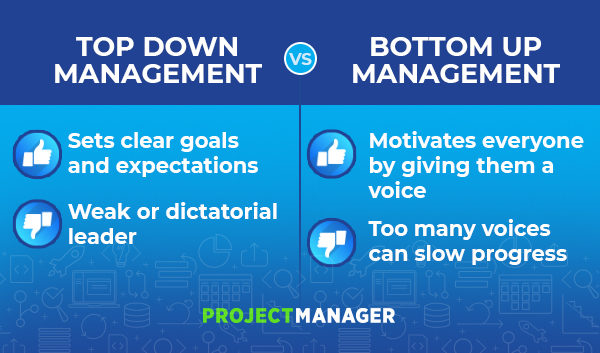
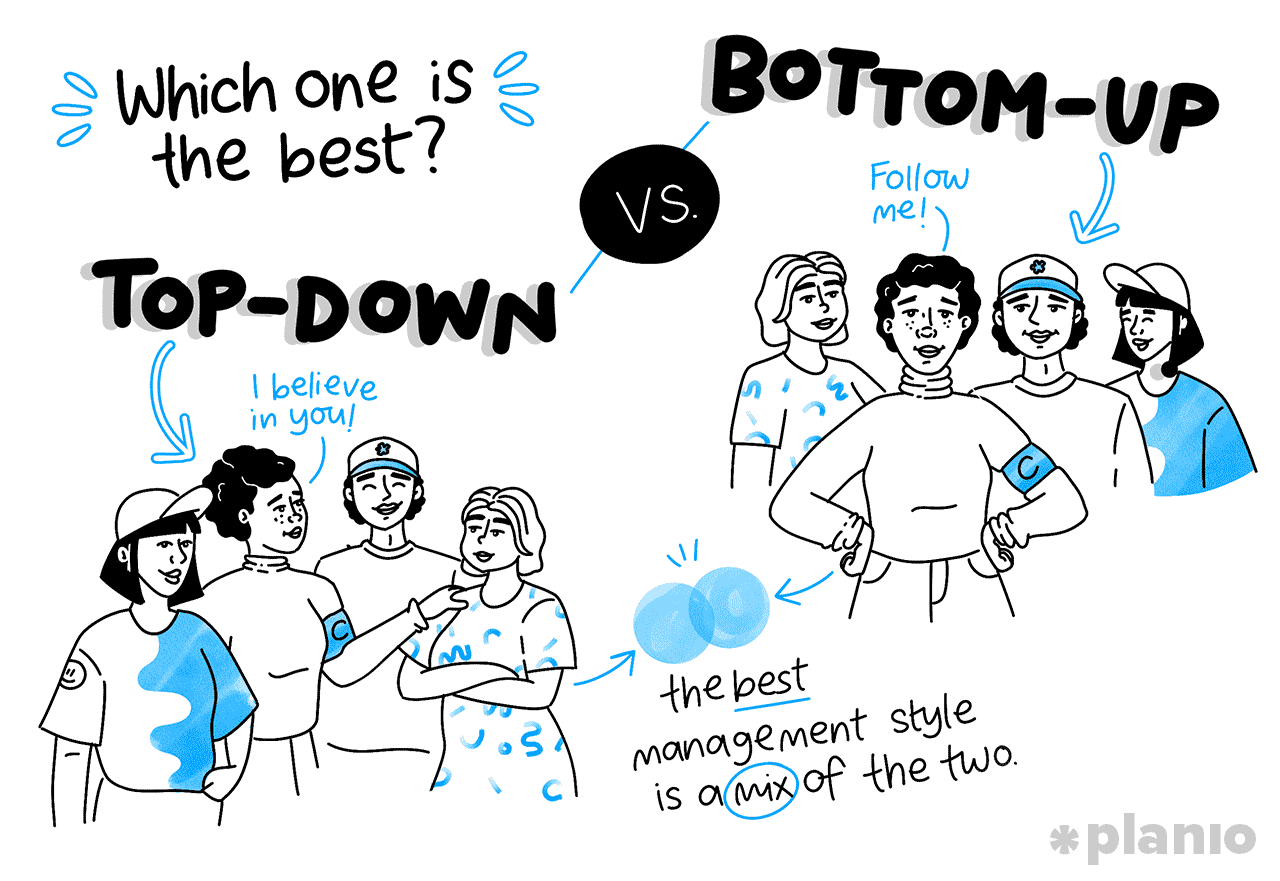
Top Down vs Bottom Up Control. occurred at either the top trophic level or the bottom trophic level and then impacted the other levels up or down the food chain. In the top-down control, the populations of the organisms lower trophic levels (bottom of the pyramid) are controlled by the organisms at the top. This approach is also called the Author summary Ecosystems are commonly organized into trophic levels—organisms that occupy the same level in a food chain (e.g., plants, herbivores, carnivores). In this study, we use methods originating from spin glass physics to theoretically analyze the statistical properties of large and diverse ecosystems with multiple trophic levels. Our analysis successfully quantifies the strength of Ecosystems are commonly organized into trophic levels—organisms that occupy the same level in a food chain (e.g., plants, herbivores, carnivores). Möllmann C, Helaouët P, Bayliss-Brown GA, Stenseth NC. Interaction between top-down and bottom-up control in marine food webs. Proceedings of the National Academy of Sciences of the United
